Key Takeaways
- AI can amplify bias and confusion if human oversight fades
- Transparency, security, and review matter more than speed
- The best HR results come from blending AI support with human judgment
Key Disadvantages of Using AI in HR
AI brings structure and speed, but it also removes some human layers. These disadvantages usually don’t appear right away. They show up over time, through patterns, complaints, or confusion.
Algorithmic Bias and Discrimination Risks
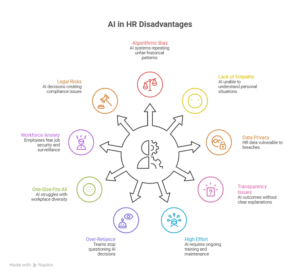
AI systems learn from historical data. If that data reflects unfair hiring or promotion patterns, the system can repeat them. The risk is scale. A single biased rule can affect hundreds of decisions before anyone notices.
Lack of Human Judgment, Empathy, and Context
AI doesn’t understand personal situations. It can’t read tone, stress, or intent. HR decisions often involve sensitive moments, where understanding context matters more than numbers.
Data Privacy and Security Concerns
HR data includes salaries, reviews, health details, and personal records. If AI systems aren’t protected properly, that data becomes vulnerable. One breach can damage employee trust for years.
Transparency and Explainability Issues
Some AI tools provide outcomes without clear explanations. HR teams may not have clear answers when employees ask why they were rejected, flagged, or scored in a certain way.
High Training, Implementation, and Maintenance Effort
AI doesn’t run itself. Models need training. Data needs cleaning. Results need review. Without ongoing effort, accuracy drops and decisions become unreliable.
Over-Reliance on AI and Reduced Human Oversight
When AI results feel confident, teams may stop questioning them. This reduces checks and balances. In HR, that’s risky because decisions affect careers and livelihoods.
One-Size-Fits-All HR Decisions
AI often applies rules evenly. Real workplaces are uneven. Different teams, roles, regions, and cultures need flexibility that algorithms struggle to provide.
Job Security and Workforce Anxiety
Employees might be afraid of being replaced, watched closely, or unfairly scored. When businesses fail to communicate how AI is involved, worry gets out of hand and commitment falls.
Legal and Compliance Risks
Employment laws vary widely. AI decisions that aren’t documented or explainable can create compliance issues and legal exposure.
Ethical Risks of AI in HR
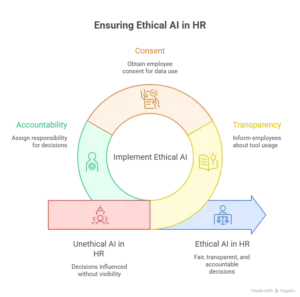
Ethics become critical when technology shapes people’s careers. AI can influence decisions quietly, without discussion or visibility. If employees don’t know how tools are used, fairness feels questionable. Ethical use means transparency, consent, and clear accountability. Someone must always be responsible for decisions — not the system.
AI vs Human Expertise in HR
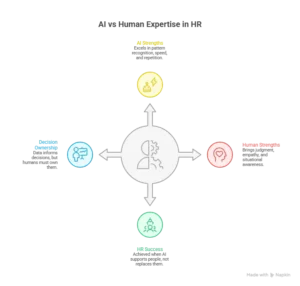
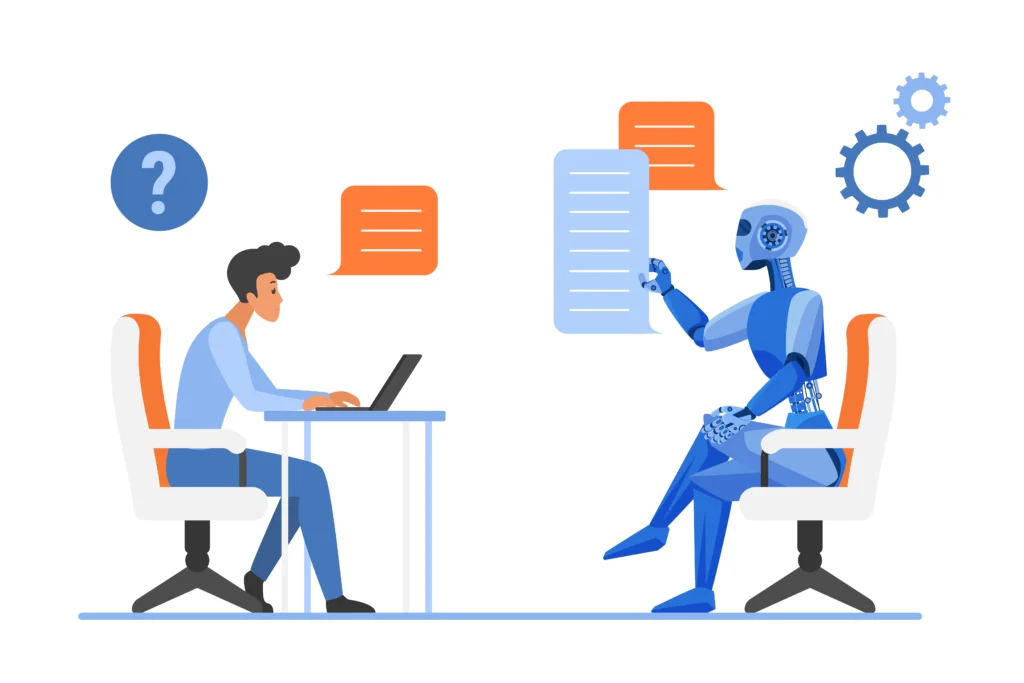
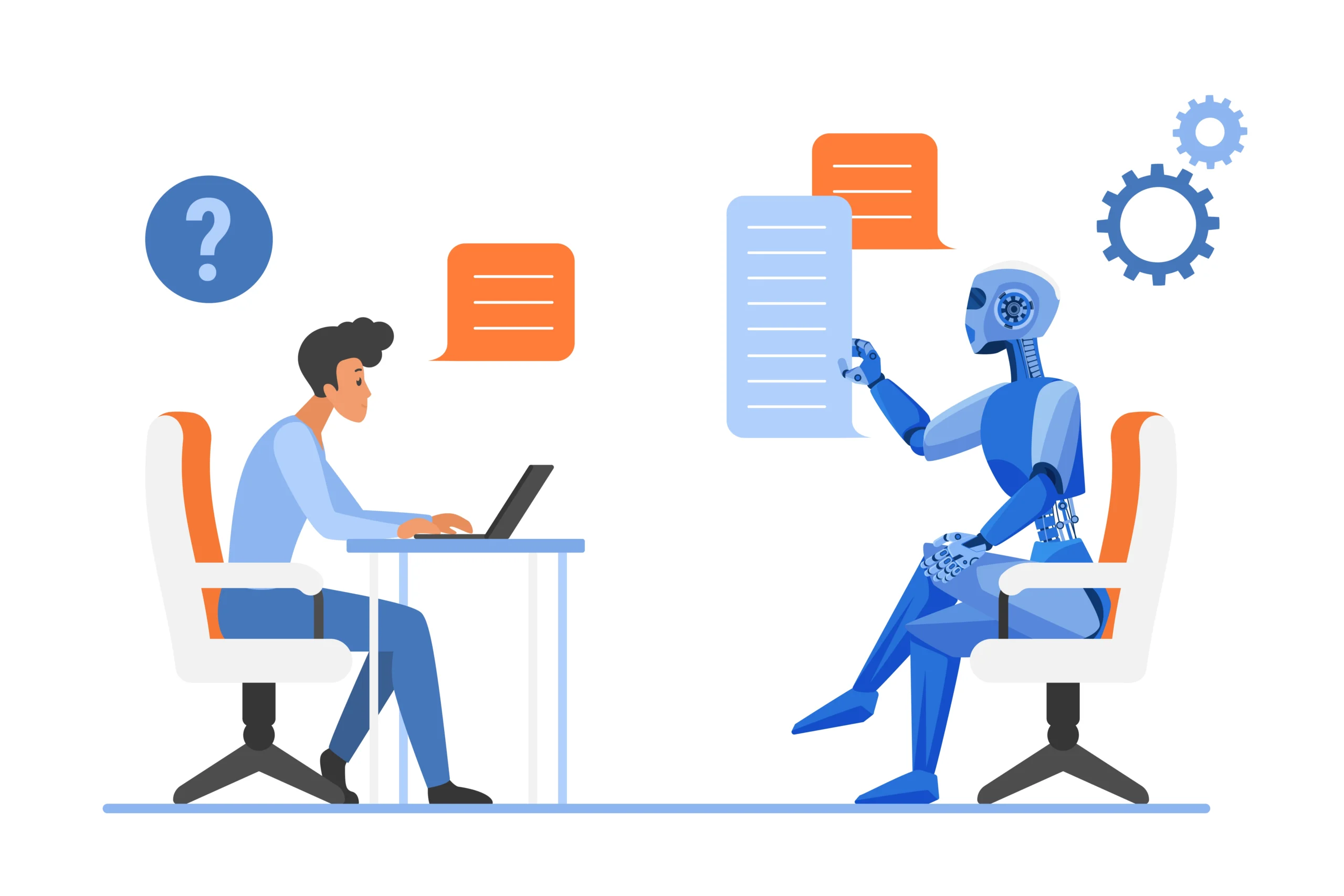
AI works well with patterns, speed, and repetition. Humans bring judgment, empathy, and situational awareness. HR succeeds when AI supports people, not when it replaces their role. Data can inform decisions, but humans must still own them.
AI-Driven HR vs Traditional HR: A Practical Comparison
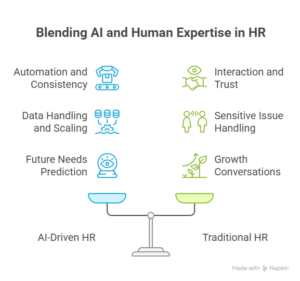
AI-powered HR fundamentally revolves around automation, consistency, and scaling up. It can rapidly handle large datasets and recognize patterns across departments. It facilitates employee selection, generating reports, and predicting future needs.
Conventional HR work is based on interaction, connecting, and developing trust. It handles sensitive issues, conflict, and growth conversations better.
Strong HR teams don’t choose between the two. They blend them. AI handles structure and signals. Humans handle decisions and care.
Best Practices to Mitigate the Disadvantages of AI in HR
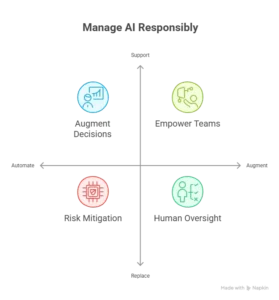
Clear boundaries matter. Use AI to support tasks, not replace judgment. Review outputs regularly. Keep humans involved in every people-related decision. Protect data carefully and explain AI use openly to employees. These steps reduce risk and build trust.
Common Mistakes Companies Make When Using AI in HR
Many companies move too fast. They adopt tools before setting rules. Some trust results without review. Others fail to explain AI use to employees, which creates fear and resistance. Most mistakes come from rushing instead of planning.
How EBR Helps Organizations Use AI in HR Responsibly

EBR Software supports structured AI use with visibility and control. AI assists HR teams without removing human oversight.Clear dashboards, multiple approval layers, and safe data management allow teams to be accountable while they still take advantage of automation.
Conclusion
AI can help HR teams, but it is not impartial and without risks, issues of bias, privacy and lost context can come up if automation is left unchecked. The goal isn’t to avoid AI. It’s to use it carefully. When human judgment stays in charge, AI becomes a useful support system instead of a silent risk to people and culture.