Core HR Areas Where AI Tools Are Used
AI Tools for Recruitment & Talent Acquisition
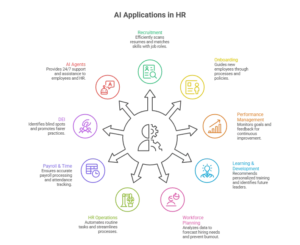
Typically, hiring involves the process of going through a large amount of resumes and checking the candidate’s background in the same way over and over again. Artificial intelligence is very efficient in scanning resumes, matching skills with job roles, and rapidly selecting the best candidates. Although recruiters get to decide in the end, they now have more time for interacting with the right people because of reduced time spent on searching.
AI Tools for Employee Onboarding & Offboarding
New employees often feel lost during their first few days. AI tools guide them through forms, policies, and basic questions without waiting for HR replies. When a staff member leaves, AI is there to assist in closing access, gathering feedback, and finishing up the process in an orderly fashion, so nothing is overlooked.
AI Tools for Performance Management
Tracking performance can feel awkward when it only happens once a year. AI tools monitor goals, progress, and feedback over time. Managers receive clear signals beforehand, making it easier for them to coach rather than have surprise conversations later on.
AI Tools for Learning, Development & Succession Planning
AI analyzes skills, roles, and performance data to recommend training that aligns with the employee’s specific needs. It also enables HR to identify potential leaders and plan the company’s future without the need to guess.
AI Tools for Workforce Planning & People Analytics
AI reviews attendance trends, turnover patterns, and workload data. The HR department then utilizes these data to forecast the hiring need, prevent employee burnout, and have a better team work balance. Decisions feel grounded in reality instead of assumptions.
AI Tools for HR Operations & Automation
Everyday tasks like leave requests, policy questions, and document access take up more time than expected. AI tools answer common questions and process requests instantly, keeping HR inboxes lighter.
AI Tools for Payroll, Time & Attendance
Payroll errors create frustration fast. AI checks attendance data, flags inconsistencies, and supports accurate salary processing. It helps teams catch issues early instead of fixing them after payday.
AI Tools for Diversity, Equity & Inclusion (DEI)
When used carefully, AI highlights patterns that humans may overlook. It is thus a tool that can assist HR teams in identifying blind spots in their hiring or promotions processes and hence working towards fairer practices while still retaining human judgment.
AI Agents and Advanced AI Capabilities in HR
AI agents act like always-on helpers. They answer employee questions, guide managers, and support HR teams day and night. They don’t replace HR — they give HR more breathing room.
Benefits of Using AI Tools in HR Management
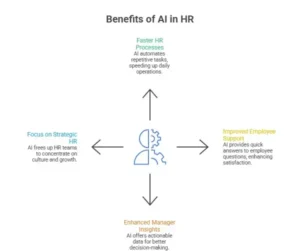
AI takes off a lot of repetitive tasks and makes daily HR work faster. With such a setup, the teams get answered more quickly, there are fewer mistakes, and the decisions seem more transparent. Staff members will be definitely supported with answers to their questions in the shortest time possible. Managers, on the other hand, will get profound and actionable insights. Human Resource departments will be less weighed down with the routine work and thus will be more capable of focusing on upholding a healthy company culture, providing employee support, and leading the business to growth.
Challenges and Risks of Using AI in HR

AI depends on data quality. Poor data can lead to poor outcomes. Privacy also matters — employee information must stay protected at all times. HR teams should review AI outputs regularly and keep humans involved in decisions. AI works best as support, not authority.
How to Choose the Right AI Tools for HR Management
Start with real problems, not trends. Pick tools that save time in areas like hiring, attendance, or payroll. Make sure the system is easy to use, explains results clearly, and protects data well. Good support matters just as much as features.
The Future of AI in HR Management
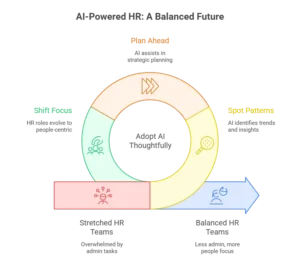
AI will keep improving how HR teams spot patterns and plan ahead. HR roles won’t disappear — they’ll shift. Less admin work. More focus on people, growth, and workplace experience. Teams that adopt AI calmly and thoughtfully will feel more balanced and less stretched.
Conclusion
AI tools help HR teams work with more clarity and less pressure. They take care of repetitive work, improve accuracy, and offer better visibility into how teams function. When chosen carefully, EBR AI tools stay in the background, quietly supporting everyday HR work. For teams looking to spend less time on admin and more time supporting people, EBR fits naturally into modern HR workflows.
FAQs
Can small businesses use AI tools for HR?
Yes. Many AI HR tools are built for small teams and scale as the business grows. You don’t need a large HR department to use them effectively.
Will AI replace HR professionals?
No. AI handles tasks, not people. HR professionals still manage relationships, decisions, and workplace culture.
Are AI HR tools safe for employee data?
They can be, if you choose tools with strong security and clear data practices. Always review how data is stored and protected.
What is the first AI tool HR teams should adopt?
Resume screening or attendance automation is a good starting point. These tools save time quickly and are easy to manage.