key takeaways
- AI is powerful, but not flawless – It can make hiring and payroll faster, but it can also bring along bias, legal troubles, and data privacy challenges.
- Three main risk areas in HR – Inherent risks (such as bias), application-based risks (like data misuse), and compliance risks (like accidentally breaking laws).
- Human oversight is a must – HR teams need to guide AI tools closely, be transparent about their use, and choose ethical tech to keep people safe and avoid problems.
Top Risks of Using AI in HR
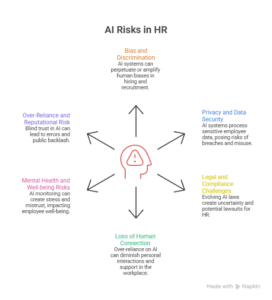
Let’s break down the major risks of using AI in HR that every team should know before implementation.
Bias and Discrimination
One of the most concerning AI risks in HR is unlawful discrimination. AI systems can reflect or even amplify human biases if trained on historical data. That means a hiring algorithm might favor certain names, schools, or genders, leading to potential algorithm bias in the recruiting process. This raises serious concerns about its potential for bias and discrimination in a recruitment context.
Privacy and Data Security
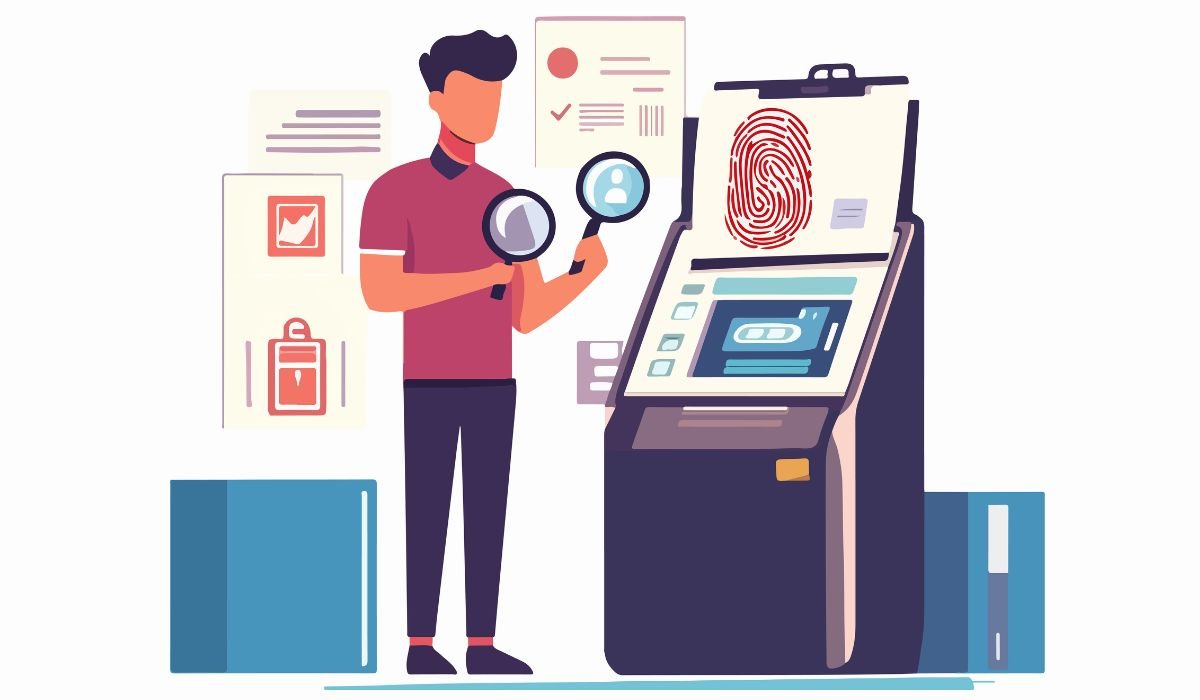
AI systems process large volumes of employee information — salaries, health data, performance stats. The leakage of confidential and proprietary information could result in major legal and reputational consequences. Any data breach or misuse poses a significant AI risk in human resource management.
Legal and Compliance Challenges
As laws evolve around AI, HR teams face growing legal uncertainty. Using AI in hiring or firing decisions without transparency can invite lawsuits and fines. AI-related risks can be grouped into three broad categories — and legal compliance cuts across them all.
Loss of Human Connection
AI can make work move faster, but it can also take away the personal side of things. A computer doesn’t get what it’s like to be stressed, to deal with personal problems, or to feel motivated by a pep talk. If companies lean too much on AI, people might miss out on real conversations and support — especially when it comes to solving problems or giving feedback.
Mental Health and Well-being Risks
Using AI for monitoring productivity or analyzing employee mood can feel invasive. It may create a culture of mistrust and pressure, negatively affecting mental health. This is a growing concern under impacts of AI on HR, especially when used for surveillance or behavior prediction.
Over-Reliance and Reputational Risk
When companies blindly trust AI decisions — without checks or human review — mistakes can multiply quickly. For example, unfair hiring rejections or payroll errors (even if unintentional) can cause public backlash and damage employer brand.
3 Types of AI Risk in HR
Let’s explore how AI risk management for HR can be organized into three levels:

Inherent AI Risks
These are risks built into how AI works — like lack of transparency (black-box models), bias in training data, and difficulty in explaining decisions.
Application-Based Risks
These arise from how AI is used. For instance, using facial recognition in interviews could discriminate against certain groups. Or using AI to monitor keystrokes may breach privacy laws.
Compliance-Related Risks
These include violating labor laws, data protection regulations (like GDPR), and failing to meet transparency standards. Even well-meaning tools can cross lines if not carefully managed.
Why Talk About AI Risks in HR?
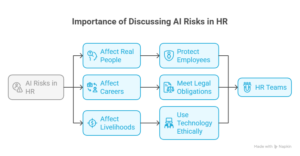
Because AI risks in HR aren’t just about faulty tech — they affect real people, careers, and livelihoods. HR teams are stewards of workplace trust. Exploring key AI risks in HR helps you protect employees, meet legal obligations, and use technology in ethical ways.
How AI Is Changing Human Resources

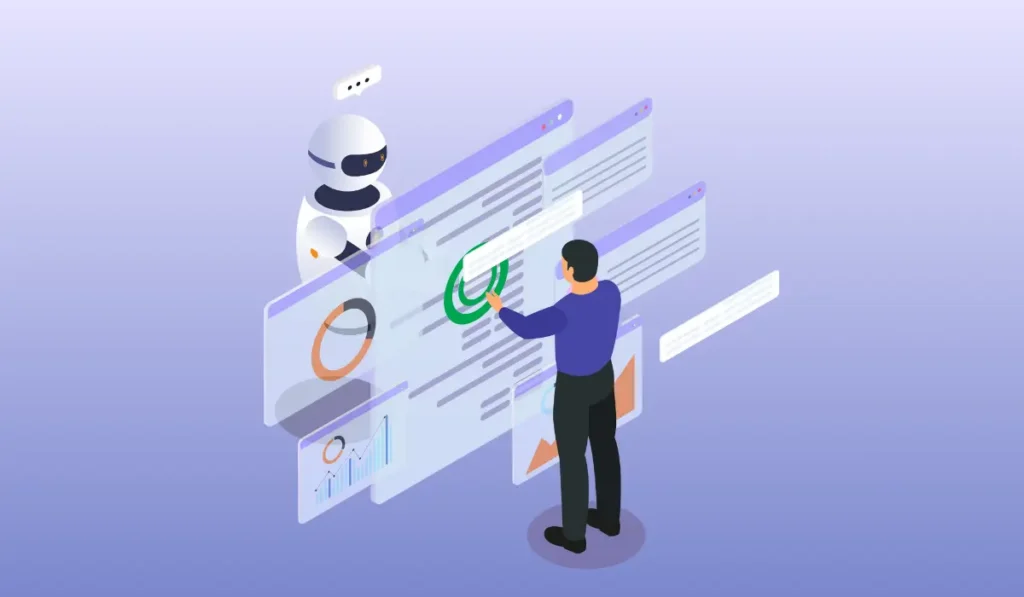
From smart screening tools to chatbots for onboarding, AI-powered HR software can automatically calculate employee salaries and taxes, match resumes, analyze engagement, and more. But without human oversight, these tools can go from helpful to harmful.
How HR Teams Can Reduce AI Risks
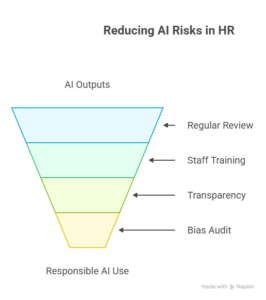
- Review AI outputs regularly. Never treat them as the final word.
- Train HR staff to understand how AI tools work and what their limitations are.
- Be transparent with candidates and employees about how AI is used.
- Audit for bias before and after AI deployment.
Choosing the Right AI Tools for HR
Not all AI tools are created equal. Before adopting one, ask:
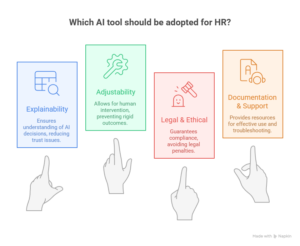
- Does it offer explainability?
- Can we adjust or override decisions?
- Does it meet legal and ethical standards?
- Is there clear documentation and support?
Choosing the right tool is a key part of AI risk management for HR.
Real-World Examples: When AI Goes Wrong
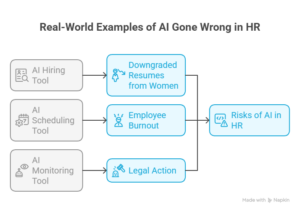
- A major retailer dropped an AI hiring tool after discovering it downgraded resumes from women.
- An AI scheduling tool led to employee burnout by assigning shifts with no human input.
- Some companies faced legal action for using AI to monitor workers without consent.
These examples highlight the real risks of AI in HR — even when intentions are good.
Frequently Asked Questions
What are the risks of AI in recruitment?
Key risks include bias, lack of explainability, and over-reliance. Risks of AI in HR often show up first during recruitment — especially in resume screening and video interviews.
How is AI used in employee monitoring?
It can track emails, keystrokes, productivity apps, and even mood. While some monitoring is legal, misuse can lead to privacy violations and workplace tension.
Will AI replace HR professionals?
Not entirely. AI can handle repetitive tasks, but emotional intelligence, conflict resolution, and organizational culture are human strengths that can’t be replaced.
Ready to Use AI Responsibly in Your HR Team?
AI can do a lot for HR — it can save time, speed up hiring, and help with day-to-day tasks. But it works best when people stay in control. When you know the risks of using AI in HR and keep the right checks in place, you protect your team and your company’s reputation.
That’s where EBR Software can help. We make it easier for HR teams to use AI in smart, fair, and safe ways — so you get the benefits without the big headaches.